Markov Transition Networks Reveal Infection Trajectories to Gastrointestinal Cancers
Mapping transition pathways from 47 infectious diseases to 5 major GI cancers using Markov chain modeling.
Read Full Paper (DOI: 10.xxxx/xxxxx)47
Infectious Diseases
5
GI Cancers
25
Imminent Infections
28
Transition Routes
Infections are recognized early risk factors for gastrointestinal (GI) cancers, yet their transition pathways remain fragmented. By analyzing electronic medical records with Markov chain modeling, we mapped the progression among 47 infectious diseases and five major GI cancers (gastric, colorectal, liver, esophageal, and pancreatic), revealing structured networks.
We identified 25 imminent infections (e.g., H. pylori and parasitic infections) and four transition routes (e.g., bacterial infection-urinary tract infection, UTI) shared by all five GI cancers, as well as 4 cancer-specific imminent infections (e.g., cellulitis specific to colorectal cancer and Hepatitis B to gastric cancer) and 28 transition routes.
Acute bronchitis, acute upper respiratory infection, fungal infections, cellulitis, and UTI directly link to all five GI cancers (High-degree centrality). Hepatitis C infection drives rapid progression for most GI cancers (High-closeness centrality).
We identified clinical biomarkers that inform whether an infection’s transition to a GI cancer would happen, such as leukocyte counts, sex hormone–binding globulin, and urinary sodium. These biomarkers act as carcinogenic mediators or progressive indicators, advancing our mechanistic understanding of infection-induced GI carcinogenesis.
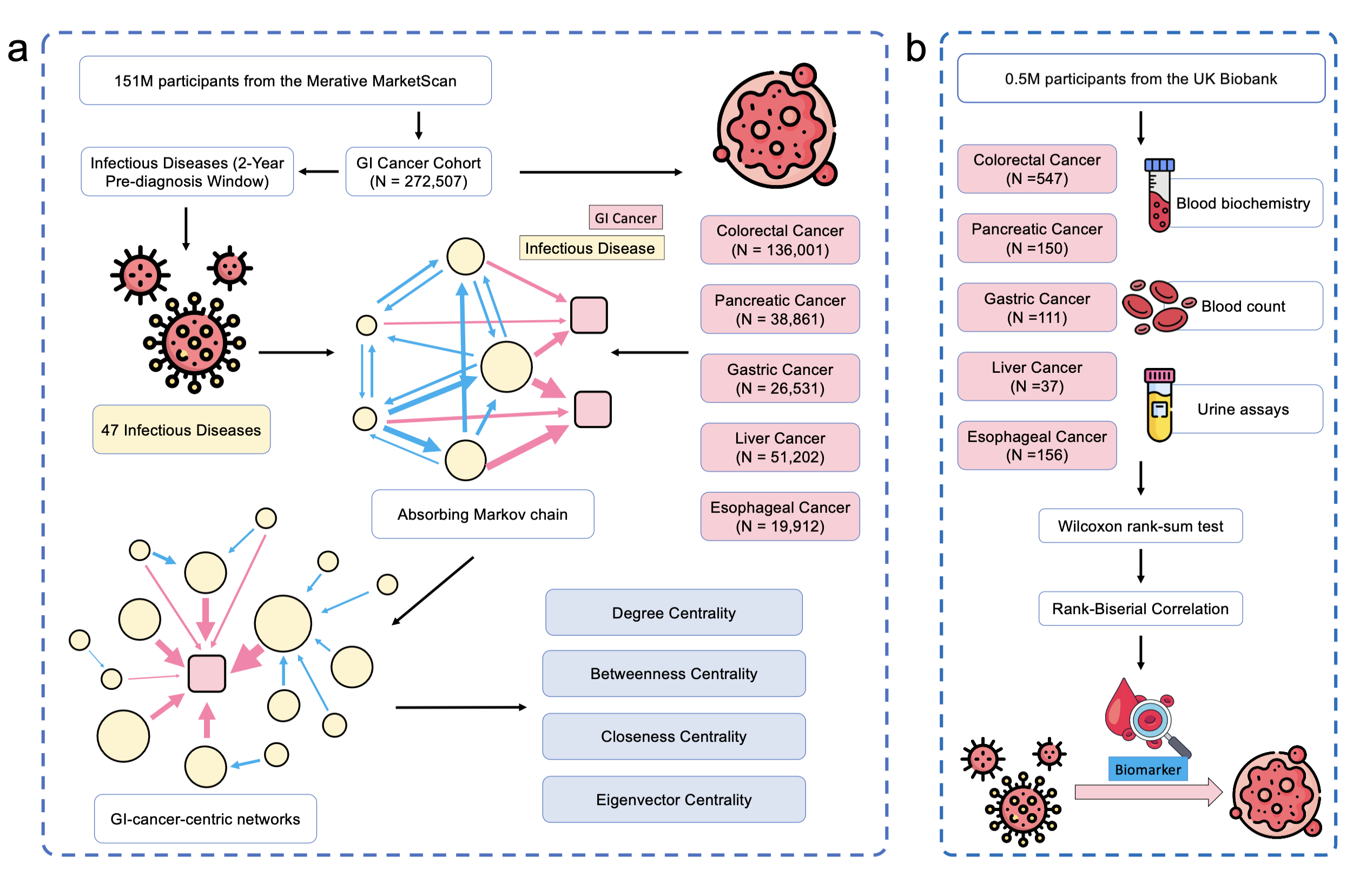
Figure 1: Study Workflow & Methodology Overview
Configuration
Legend: